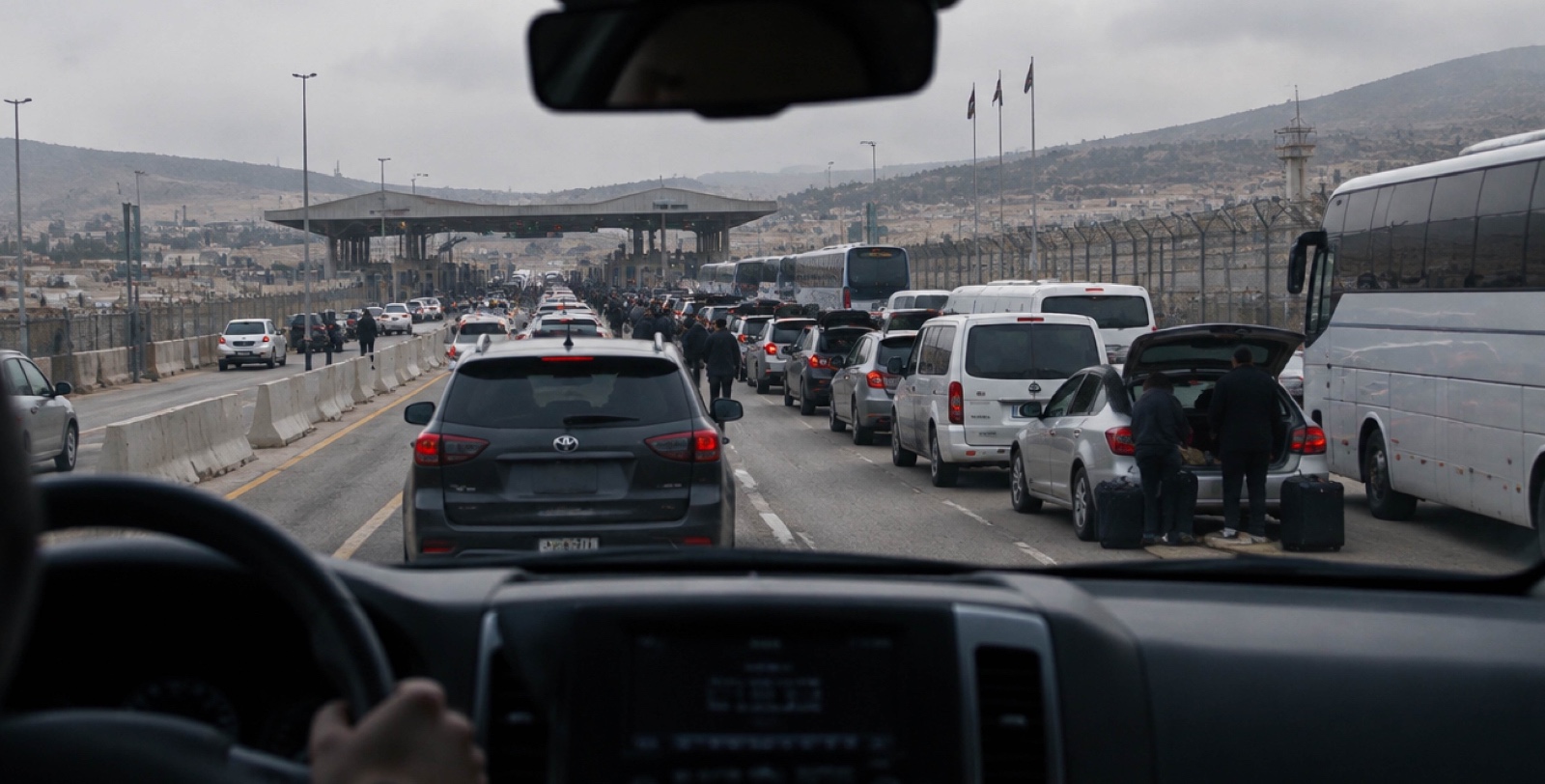
High-risk travel tests more than logistics, it tests nerves, trust, and the delicate balance between safety and autonomy. Security teams must recognize that pressure does not rest solely on their shoulders; Principals carry a significant mental load as well. They juggle heavy business responsibilities alongside travel stress, unfamiliar environments, and strict security constraints. This combination can produce mental fatigue, decision fatigue, and sensory overload, where even small missteps, like delayed connections, inadequate rest, or poor meals, erode resilience and heighten anxiety.
Close protection officers must be aware that safeguarding a principal goes beyond physical security. They must manage emotional landscapes as carefully as they manage routes or threat assessments, and build trust while maintaining operational discretion.
Understanding Principal Anxiety: The Psychological Lens
Fear of the Unknown: Even accomplished principals, whether executives, dignitaries, or celebrities, can feel uneasy in unfamiliar or high-risk environments. Their anxiety often stems not from specific threats but from uncertainty and loss of control. When they don’t fully understand what’s happening, they may feel vulnerable and fear they won’t respond effectively if something goes wrong.
Perceived Loss of Autonomy: For many principals, being guarded, chauffeured, or guided along unfamiliar routes by an unfamiliar security team can feel disempowering. Lacking context, they may exaggerate dangers. Without careful framing, discreet measures can be misread as neglect or secrecy, and unclear details often lead the mind to fill in worst-case scenarios.
Cognitive Dissonance: High achievers are used to control, competence, and self-reliance. Fear or dependence on others can trigger internal conflict, surfacing as irritation, micromanagement, or resistance. Physical protection is vital, but emotional safety (trusting the team) is just as important. Without it, principals may reject instructions or make risky choices. Consistency, punctuality, clear routines, and regular updates help steady their anxiety and build trust.
Emotional Contagion: Anxiety is contagious. Principals notice a CPO’s unspoken cues, such as a tense jaw, quick movements, or curt replies, often without realizing it. Even subtle changes in tone or body language can amplify their stress. If the agent is not calm and centered, they will sense it sharply, and their tension can escalate.
Managing the CPO’s Stress
Close protection officers carry their own burden, making split-second, high-stakes decisions where mistakes can have serious consequences, all while hiding doubts and anxiety from the principal. Their calm is as contagious as their stress, making composure essential. Controlled breathing, mental rehearsal, clearly defined roles, and sufficient rest help ensure that any unease never reaches the principal.
Professional Approach: Balancing Transparency and Security
An anxious principal doesn’t just look for safety, they look for clarity. How information is managed and delivered often matters as much as the security measures themselves.
Selective Disclosure: You choose what to share and how much. For instance, say, “We’re taking a different route tonight, it’s the most reliable option,” instead of, “There’s an identified threat on Route A.” Frame security measures as routine: “This is our usual practice in cities like this”, so actions feel standard, not reactive to threats.
Advance Work: Thorough travel preparation such as: risk analysis, local culture awareness, hazard identification, political assessment, venue reconnaissance, backup routes, safe havens, and medical reviews reduces surprises and lowers both actual and perceived risk.
Communication and Reassurance:
- Share Wisely: Give enough information to keep the principal informed and respected, but avoid oversharing details that could compromise security. Even a brief rationale can prevent speculation.
- Project Calm: Speak calmly, make eye contact, and use clear, factual language. Avoid jargon or phrases that suggest chaos.
- Check In and Listen: Set clear expectations with scheduled updates, offer concise reassurances, and actively listen to their concerns.
Human Dimension: Personal Connection and Empathy
Building Relationship & Trust: Trust grows through consistent reliability, including showing up early, being polite, respecting preferences, and maintaining discretion. The first trip is often the hardest, but as the principal sees plans followed and commitments kept, credibility grows, requiring less explanation. The security team must balance the principal’s safety with autonomy: offer understanding without patronizing and avoid overprotection, which can breed resentment. Many principals are strong in their domain, but unfamiliar environments can challenge that, so you don’t want to infantilize them. Effective protection is collaborative, rooted in respect and mutual trust.
Reading the Principal’s Personality: Some principals are reassured by humor; others prefer formal composure. Tailoring your demeanor shows attentiveness and respect.
Moments of Humanity: simple actions, like offering a bottle of water before a stressful meeting or sharing a brief, neutral conversation, can help reduce tension and strengthen the human connection.
After Action & Learning
- Post-trip debriefing (with or without the principal) to reflect: what went well, what triggered anxiety, what communication helped. This improves future trips and helps the principal feel heard.
- Learning from small failures: maybe the principal was left waiting, unclear on a time, etc. These small lapses erode trust more than major ones.
Practical Tips & Examples
- Before departure, hold a short briefing with the principal, for example: “Here’s what to expect: arrival times, likely schedule, general security posture, and what we’ll ask you to do.” Keep it brief, not too detailed, but enough to provide orientation.
- Use “visible control points” to build confidence: even if many security steps are covert, some visible ones (e.g. vetting people around venues) let the principal see that you’re in charge.
- Prepare for contingencies so that when a plan changes mid-travel, it can be re-communicated swiftly: “We’re going to use Plan B because traffic is blocked; we’re still safe; ETA moves 15 minutes.”